New Legislation Could Lead to Alzheimer’s Research

About This Article
Millions of Americans suffer from Alzheimer’s and other forms of dementia creating financial and emotional stress for many families. Research may lead to treatment or even a cure some day in the future.
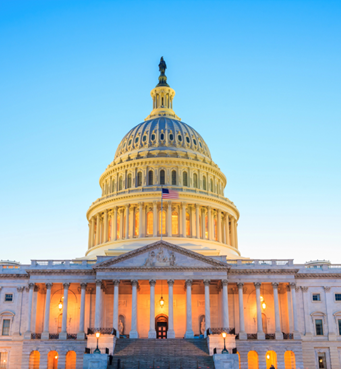
Alzheimer's and other forms of dementia are a growing concern for all Americans as longevity increases the number of people suffering from cognitive decline. However, much of the research has underrepresented many groups.
A new bi-partisan proposal would increase clinical trial participation among underrepresented populations. The "Equity in Neuroscience and Alzheimer's Clinical Trials (ENACT) Act" would encourage and ensure more diversity in clinical trial participation.
African Americans and Hispanics Have Higher Risks
According to a recent Alzheimer's Association report, Hispanics and African Americans are at a higher risk of developing Alzheimer's disease and other forms of dementia. African Americans are twice as likely as whites to develop Alzheimer's, while Hispanics are 1.5 times as likely.
Part of the problem is while dementia is more prevalent among Hispanic and Black Americans, it is more likely to go undiagnosed – or be diagnosed at a later stage – in these patients.
According to experts, the underrepresentation of these populations hinders the ability of researchers to understand health disparities. It also restricts the researcher's knowledge of how approved therapies or diagnostic testing may affect the diverse populations likely to need the drug.
"To ensure future treatments and means of prevention are effective in all populations, Alzheimer's and dementia trials must reflect the U.S. population," said Robert Egge, Alzheimer's Association chief public policy officer and AIM executive director.
"We are grateful to the bill's sponsors for their leadership introducing legislation that prioritizes research," said Egge.
 U.S. Senator Susan Collins (R-ME) says that Hispanics and African Americans are disproportionately affected by Alzheimer's but are underrepresented in current research. She says the bipartisan legislation would increase the clinical trials' diversity. The goal would be to improve outcomes for these populations while enhancing the understanding of the disease.
"Alzheimer's disease is one of the greatest and most under-recognized public health threats of our time. Millions of Americans and thousands of Mainers are living with the disease, which imposes a devastating human and financial cost," said Senator Collins, a founder, and co-chair of the Congressional Task Force on Alzheimer's Disease.
 Senator Ben Ray Luján (D-NM) says the lack of diversity hurts patients of color and hinders researchers' ability to understand the disease fully.
"There is a future in which no family will have to experience 'the long goodbye' of losing a loved one to Alzheimer's. To bring that future into reach, medical research must include all of the communities touched by this disease," said Luján.
Physical, Emotional and Financial Consequences on Families
The consequences of dementia on American families place tremendous physical, emotional, and financial pressure on them. Many families are unaware, until a parent experiences this firsthand, that health insurance and Medicare pay little or nothing toward the long-term health care that many people require due to cognitive decline or other health and frailty problems that come with aging.
While some people own Long-Term Care Insurance, which will pay for these services either in memory care, nursing homes, or in-home care, many people are unaware of the product until it is too late. You must purchase LTC Insurance when you still have relatively good health. Most people purchase the product in their 40s or 50s. Because of the lack of awareness, too many families face a crisis.
Many adult children must quit their jobs and become caregivers for a Mom or Dad who has dementia or other long-term health care needs. The role of caregiver is physically and emotionally demanding.
Find successful treatment or a cure will help reduce to impact dementia has on American families.